Table of Contents ▼
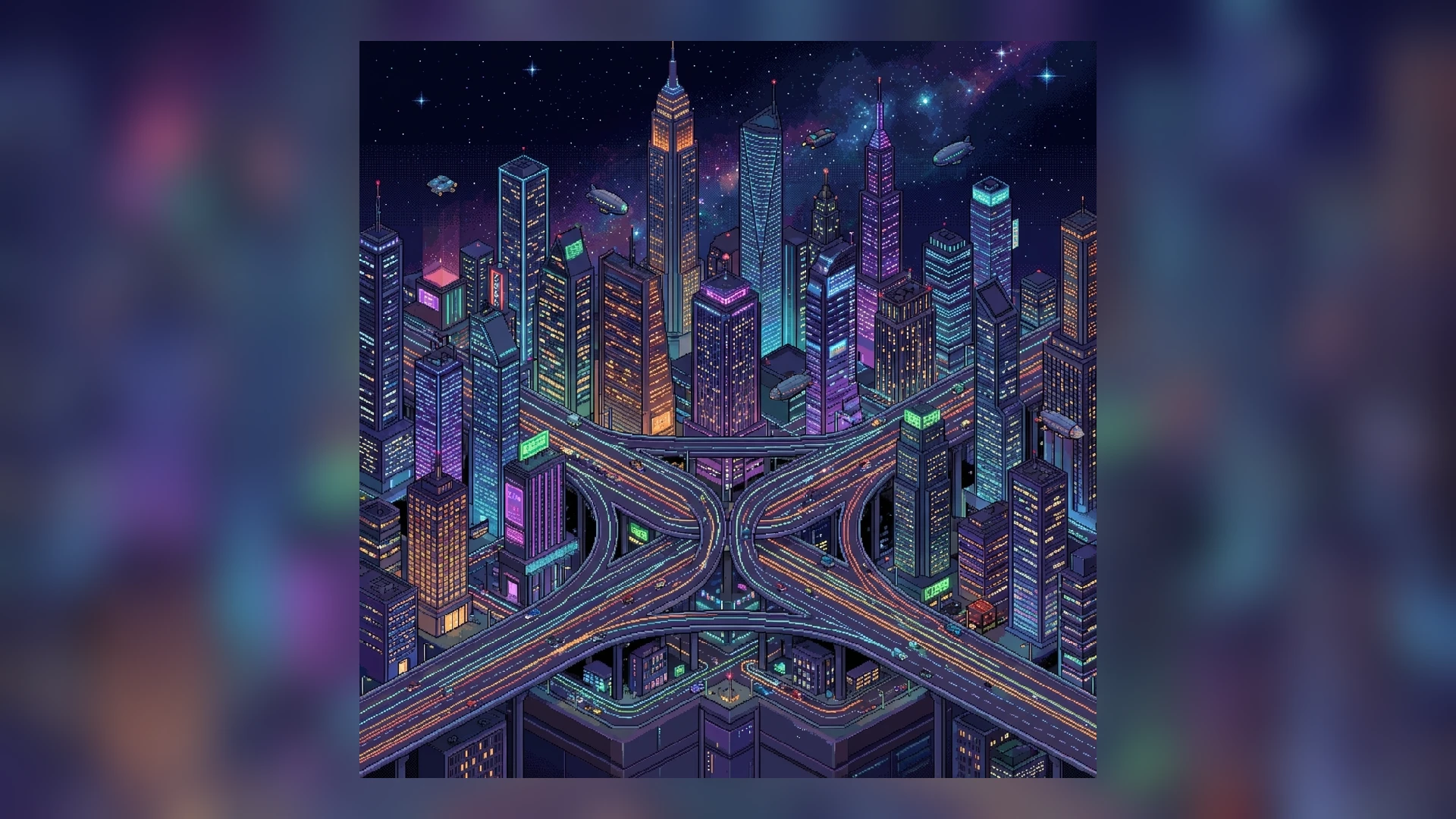
In Theotown, there is “Hard Mode”, and then there is Uber Mode. This is the endgame state where game mechanics push back against you with full force. It is designed for players who want to build massive megalopolises with tens of thousands of residents on a single map.
This guide unlocks the secrets of surviving and thriving in the late game.
1. What is Uber Mode?
Uber Mode isn’t a setting you toggle in the menu; it’s a state of play you reach when you unlock Diamond Tier buildings.
- Trigger: Usually unlocked around the “Mayor” rank or when your city passes a wealth threshold.
- The Change: You gain access to “Level 3” (TTT) Residential, Commercial, and Industrial zones.
- The Challenge: These buildings consume massive amounts of water and power, produce tons of garbage, and create traffic nightmares.
2. Infrastructure Scaling
Your starter coal plant won’t cut it anymore.
Power: Going Nuclear
- Nuclear Power Plant: The king of energy. Massive output, clean air.
- Risk: Meltdown.
- Safety: You MUST provide water to the reactor. If the water supply cuts out for even a moment, the reactor explodes, turning your city into Chernobyl.
- Strategy: Give your nuclear plant its own dedicated water tower and pipe network, separate from the rest of the city. Safety first.
Water: The River Pump
- Water towers take up too much space.
- River Pumps: Provide infinite water but must be placed on a river edge.
- Pollution: Do not place a pump downstream from your sewage outlet! You will poison the whole city.
3. Density Management
In Uber Mode, buildings grow tall. Really tall.
Residential TTT (The Elite)
- Needs: They demand everything. Sports parks, religion, high education, zero noise.
- Tax: They pay a fortune.
- Volatility: If a service drops (e.g., a momentary brownout), they abandon the building instantly. “Abandoned” skyscrapers lower land value for blocks around them.
Traffic Planning
A single TTT Commercial tower can generate 1,000+ car trips.
- Highways: You need a ring road highway system.
- The “Couplet”: Use one-way broad avenues.
- Public Transit: It is no longer optional. You MUST have a metro system. If you rely on cars, your streets will gridlock, ambulances won’t move, and buildings will burn.
4. The Regional Connection
You cannot sustain an Uber Mode city in isolation. You will run out of space for the industry needed to support it.
- Strategy: Move ALL dirty industry to a neighbor city in the Region.
- Import: Import power and waste disposal services.
- Focus: Dedicate 100% of your Uber Mode map to Residential and Commercial zoning to maximize population.
5. The DSA Integration
The Daily Space Agency is your economic engine here.
- Uber Mode cities are expensive.
- Use the DSA to farm money to pay for the massive infrastructure upkeep costs.
6. Disaster Preparation
At this scale, a single fire can destroy 10,000 homes.
- The ISA (Independent State of America): This (and other Landmarks) provides region-wide bonuses.
- Coverage: Ensure you have redundant coverage. If one fire station is stuck in traffic, a second one from a different angle should be able to respond.
Conclusion
Uber Mode is the ultimate test of your planning skills. It requires you to master every system in the game: Traffic, Economy, and Zoning. But looking down at a map of blinking neon lights and moving trains makes it all worth it.